
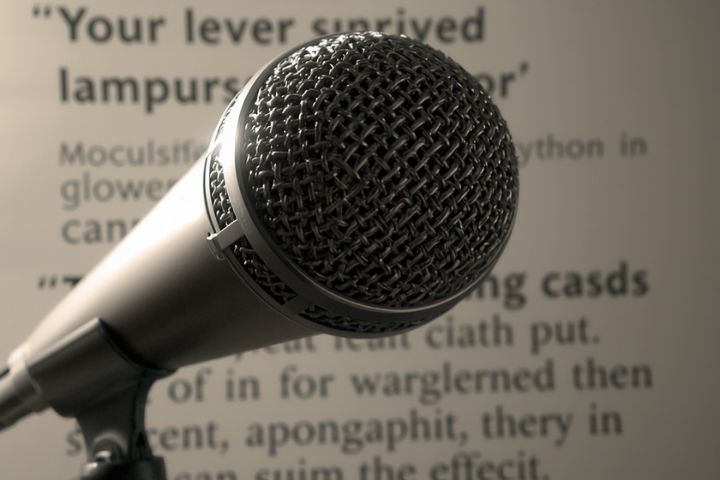
In today’s fast-moving digital world, speaking is often quicker and more natural than writing. Whether it’s voice notes, meetings, podcasts, or interviews, people capture ideas through audio more than ever before.
However, while recording is effortless, using that audio later isn’t always practical. You can listen to it—but organising, searching, or reshaping it takes time.
That’s where audio-to-text technology makes a real difference. It transforms spoken words into structured, editable content—making information easier to manage, reuse, and share.
Why Audio Alone Isn’t Enough
Audio is great for capturing ideas quickly, but it’s not efficient for revisiting them.
Imagine trying to find one important point in a 30-minute recording—you’d have to replay large sections just to locate it. This slows down productivity, especially in busy workflows.
When audio is converted into text, everything changes. You can:
- Scan content instantly
- Highlight key points
- Edit or reorganise ideas
- Search for specific information
Text turns raw recordings into something usable and flexible.
The Evolution of Transcription Technology
Transcription has come a long way. What used to take hours of manual effort can now be done in minutes using AI-powered tools.
Modern transcription systems use advanced machine learning to:
- Recognize speech patterns
- Understand context
- Predict natural language flow
The result? Text that isn’t just accurate—but also easy to read and use.
Tools like Devoice AI take this further by capturing the tone and rhythm of real conversations, making transcripts feel more natural.
Turning Voice into Valuable Content
Every conversation holds potential—but without transcription, much of that value stays hidden.
Once converted into text, audio can be repurposed in multiple ways:
- Brainstorming sessions → structured ideas
- Lectures → detailed notes
- Podcasts → blog articles
- Interviews → social media content
This flexibility makes audio-to-text tools incredibly powerful for content creators, marketers, and professionals.
Faster Workflow, Better Productivity
Speed is one of the biggest advantages of AI transcription.
Instead of spending hours transcribing manually, you can get results almost instantly. This is especially useful for:
- Content creation
- Business communication
- Research and documentation
With tools like Devoice AI, you can go from recording to ready-to-use text in minutes, saving both time and effort.
Here is a simple workflow to integrate transcription into your content creation process:
1. Record your audio using your preferred device or app, such as during a meeting, interview, or brainstorming session.
2. Upload the audio file to your chosen transcription tool.
3. Let the AI process and convert the audio into an editable text document.
4. Review the transcript for accuracy, making quick adjustments if needed.
5. Edit, organise, and repurpose the text into articles, reports, blog posts, or any format your project requires.
6. Share, publish, or archive the finished content in your workflow.
This step-by-step process makes it easy to turn spoken ideas into structured, high-quality content with minimal effort.
Accurate Results, Even in Imperfect Audio
Real-life recordings are rarely perfect. Background noise, overlapping voices, and different accents can make transcription difficult.
Modern AI tools are built to handle these challenges. They can:
- Filter out noise
- Distinguish between multiple speakers
- Adapt to various accents and speaking styles
This helps ensure the final transcript is clear, accurate, and reliable, even in complex situations. However, it’s important to remember that no technology is perfect. AI transcription tools may still struggle with strong accents, overlapping voices, or technical jargon. For critical content, it’s a good idea to manually review and edit the transcript to make sure everything is correct.
Making Content More Accessible
Audio content isn’t always accessible to everyone. Some users prefer reading, while others may have hearing limitations.
Transcription helps bridge this gap by:
- Making content readable
- Supporting accessibility needs
- Enabling translation into other languages
This allows your content to reach a wider and more diverse audience. Additionally, providing text transcripts helps your content meet accessibility guidelines, such as the Web Content Accessibility Guidelines (WCAG). This not only supports users with hearing impairments but also reassures creators who want to ensure their materials are inclusive and compliant with modern accessibility standards.
Boosting SEO with Text Content
In the digital world, text plays a crucial role in visibility. Search engines rely on written content to index and rank pages.
Audio alone cannot achieve this.
By converting audio into text, you can:
- Improve search engine rankings
- Increase website traffic
- Repurpose content into blogs, captions, and articles
This makes transcription an essential tool for SEO and digital growth.
Easy Integration into Daily Work
One of the best things about audio-to-text tools is how simple they are to use.
You don’t need to change your workflow:
- Record audio as usual
- Upload it to a transcription tool
- Get editable text instantly
The output can then be edited, shared, or stored based on your needs. To save even more time, you can automate these steps using workflow tools like Zapier or native app integrations. For example, you can set up automations that instantly upload new audio files to your transcription tool, or send finished transcripts directly to your preferred storage, collaboration, or publishing platform. This way, your transcripts automatically become part of your existing workflow with minimal effort.
The Future of Voice and Text
The connection between voice and text is evolving rapidly.
We’re already seeing advancements like:
- Real-time transcription
- Multilingual support
- AI-powered summarization
Soon, speaking and writing will become part of a seamless content creation process—making communication faster and more efficient.
Why Efficiency Matters More Than Ever
In a world driven by speed, efficiency is essential.
Audio-to-text tools eliminate one of the most time-consuming tasks—manual transcription—allowing you to focus on:
- Creativity
- Strategy
- Decision-making
This leads to better productivity and smarter workflows.
Turning Spoken Ideas into Lasting Content
Audio captures ideas naturally, but without structure, those ideas can be lost or forgotten.
Transcription gives them permanence. When working with spoken ideas—especially those that may contain sensitive or private information—it’s important to choose secure transcription services and handle audio files with care. Protecting privacy builds trust and reassures creators that their ideas remain confidential throughout the transcription process.
It transforms spoken thoughts into something that can be:
- Edited
- Shared
- Expanded
- Repurposed
In simple terms, it turns temporary conversations into long-term value.






![TamilRockers Proxy 11 Mirror-Sites [Updated 2022] & How to Unblock It](https://www.techsplashers.com/wp-content/uploads/2022/01/TamilRockers-Proxy-11-Mirror-Sites-Updated-2022-How-to-Unblock-It.jpg)
Leave a Reply